
Mastering Sports Broadcasting: Trends, Techniques, and Audience Engagement
Understanding the Fundamentals of Sports Broadcasting
What Is Sports Broadcasting?
Sports broadcasting encompasses the live transmission and reporting of sports content through various media, including television, radio, and internet platforms. It connects fans with their favorite sports and athletes by providing commentary, analysis, and real-time updates. The essence of sports broadcasting lies in its ability to deliver thrilling moments and foster a community of passionate viewers. Moreover, Sports Broadcasting involves not just the dissemination of information but also the creation of a narrative that resonates with the audience.
The Evolution of Sports Broadcasting
Sports broadcasting has undergone significant transformations since its inception. Initially limited to radio broadcasts in the early 20th century, the field expanded dramatically with the advent of television. The first televised sporting event in 1936 was a turning point, showcasing the potential of visual storytelling. The rise of cable networks further revolutionized the landscape, enabling coverage of a broader array of sports. Today, streaming platforms allow for on-demand viewing, enhancing accessibility and changing how audiences engage with sports content.
Key Roles in Sports Broadcasting
Successful sports broadcasting relies on a collaborative effort of various professionals. Key roles include:
- Sportscasters: They provide live commentary and analysis during games, keeping the audience informed about the action on the field.
- Producers: They coordinate all aspects of the broadcast, from camera angles to audio feeds, ensuring a seamless viewing experience.
- Camera Operators: These professionals capture the game and all crucial moments, working with live graphics and replays to enhance storytelling.
- Editors: After a live event, editors compile highlights and segments for later broadcasts, focusing on key moments that capture the audience’s interest.
Essential Equipment for Sports Broadcasting
Cameras and Audio Equipment
Quality equipment is paramount in sports broadcasting. High-definition cameras are essential for capturing action in detail, often including slow-motion and replay functionalities. Additionally, wireless microphones and audio mixing boards are necessary to ensure clear commentary and crowd noise, enhancing the overall atmosphere of the broadcast. Sound engineers and camera operators work hand-in-hand to deliver a compelling auditory and visual experience.
Broadcasting Software and Platforms
The software used in broadcasting plays a critical role in content delivery. From graphics creation tools to live-streaming solutions, various platforms are essential for producing professional-grade broadcasts. Tools like streaming software enable real-time interaction with audiences, allowing broadcasters to engage viewers through polls, questions, and live feedback. The integration of social media within these platforms provides expanded outreach and engagement opportunities.
Setting Up a Broadcast Studio
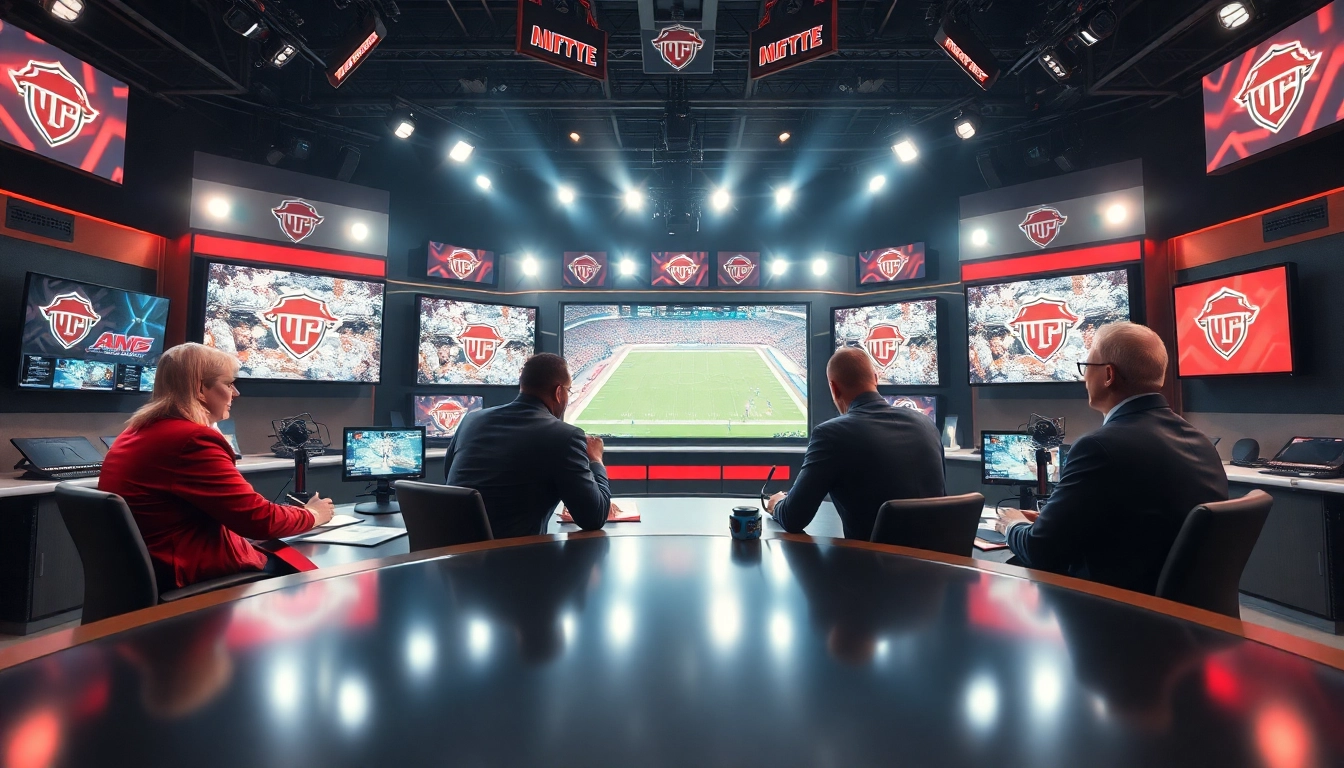
A dedicated broadcast studio is vital for any sports broadcasting entity. This space must include state-of-the-art lighting, soundproofing, and a control room for directing the broadcast. An optimal studio setup enhances the professional quality of broadcasts and provides a platform for pre- and post-game discussions, guest interviews, and analysis shows. Investing in ergonomic furniture, such as adjustable desks for anchors and analysts, also contributes to a conducive working environment.
Strategies for Engaging Sports Broadcasting
Building a Connection with the Audience
Creating an emotional bond with the audience is essential for successful sports broadcasting. This can be achieved by incorporating storytelling techniques that highlight player backgrounds, team history, and dramatic rivalries. Broadcasters should aim to speak directly to fans, addressing their emotions and sentiments to foster a committed viewer base. Engaging content attracts viewers to return and supports brand loyalty.
Utilizing Social Media in Sports Broadcasting
Social media platforms are invaluable for modern sports broadcasting. Engaging with fans through Twitter, Facebook, and Instagram allows broadcasters to promote upcoming games, share highlights, and gather feedback. Live tweeting during events creates a real-time conversation, while hashtags can help build community engagement. Utilizing polls and questions on platforms like Instagram Stories also makes audiences feel involved in the broadcasts.
Highlighting Key Content During Broadcasts
The strategic selection of key moments to highlight during broadcasts contributes to viewer engagement and retention. Utilizing advanced graphic overlays and play analysis segments can enhance the audience’s understanding of critical plays and decisions made during the game. Similarly, featuring expert commentary and unique insights elevates the viewing experience, as viewers are provided with deeper knowledge about the sport and its dynamics.
Challenges Faced in Sports Broadcasting
Technical Issues and Their Solutions
Technical difficulties are inevitable in live sports broadcasting. Issues like equipment malfunctions, connectivity problems, and software glitches can disrupt a broadcast. To mitigate these challenges, broadcasters should have backup equipment and contingency plans in place. Routine maintenance and testing of all broadcasting systems prior to events can significantly reduce the likelihood of technical issues occurring during a live transmission.
Adapting to Audience Feedback
Listeners and viewers offer valuable insights through their feedback, which can guide future content and broadcasting techniques. Regular surveys, social media polls, and comment sections allow broadcasters to gauge audience preferences and adjust content accordingly. This adaptive approach ensures that programming remains fresh and relevant, ultimately cultivating a loyal audience.
Navigating Copyright and Broadcasting Rights
Sports broadcasting often involves navigating complex copyright laws and broadcasting rights agreements. Broadcasters must secure permission to air specific games and ensure compliance with league rules concerning content use. Educating staff on these regulations helps prevent legal issues and ensures that all content is used appropriately, aligning with broadcasting agreements.
Future Trends in Sports Broadcasting
The Impact of AI on Sports Broadcasting
Artificial Intelligence (AI) is set to revolutionize sports broadcasting by automating key processes and enhancing data analysis. AI is capable of generating highlight reels and player statistics in real-time, significantly increasing production efficiency. Machine learning algorithms can analyze viewer behavior and preferences, allowing for tailored content that meets audience expectations effectively. As technology advances, broadcasters must explore AI solutions to remain competitive.
Virtual Reality and Enhanced Viewing Experiences
Virtual Reality (VR) technology is transforming how fans experience sporting events. By offering immersive experiences that simulate attendance at live games, broadcasters can create a sense of presence and excitement. VR enables viewers to explore different perspectives during a match, enhancing their engagement. As VR technology becomes more accessible, it presents new avenues for sports broadcasters to innovate their content delivery.
Predicting Audience Trends and Preferences
Understanding audience trends is crucial for successful broadcasting. Utilizing data analytics tools can help broadcasters track viewership patterns, engagement levels, and popular content types. By analyzing this data, sports broadcasters can develop strategies that align with viewer preferences, enabling them to adapt programming to meet changing tastes in real-time. This proactive approach fosters a stronger connection with the audience.
Frequently Asked Questions
What is the primary purpose of sports broadcasting?
The primary purpose of sports broadcasting is to connect fans with live events, providing real-time commentary and analysis while enhancing the viewing experience through storytelling.
What equipment is essential for sports broadcasting?
Essential equipment includes high-definition cameras, audio mixing boards, wireless microphones, and broadcasting software that enables seamless live streaming and graphics integration.
How has technology shaped sports broadcasting?
Technology has shaped sports broadcasting by enabling real-time streaming, enhanced graphics, and interactive viewer engagement through social media and mobile apps.
What are common challenges in sports broadcasting?
Common challenges include technical difficulties, securing broadcasting rights, and adapting content based on audience feedback and preferences.
How does AI influence sports broadcasting?
AI influences sports broadcasting by automating highlight creation, analyzing viewer data, and generating personalized content, thus optimizing audience engagement strategies.